


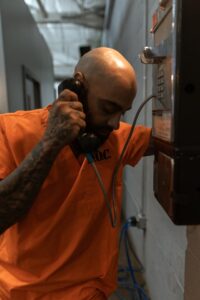
In 1997, Leonard Logan was convicted of shooting and killing a man in Chicago. Logan spent 22 years behind bars but was ultimately let go on mandatory supervised release in 2019. Later, in 2023, his conviction was vacated. Logan asserts that he did not commit the crime, and he was only convicted because of the authorities’ fabrication of evidence and forcing witnesses to falsely testify against him.
Recently, Logan filed a civil suit against the individuals he says framed him for murder. The defendants in the case have subpoenaed 115 recordings of telephone conversations that Logan made with his lawyer while in prison. In response, Logan filed a motion to quash the subpoena, but U.S. Magistrate Judge Young B. Kim of the Northern District of Illinois denied the motion and rejected the argument that the conversations were protected by the attorney-client privilege. As a result, the defendants are entitled to the 115 phone calls.
What is the Attorney-Client Privilege?
When a client communicates with their attorney for the purpose of seeking legal advice, the attorney-client privilege protects the confidential information that they may discuss. In order for the attorney-client privilege to apply, a few conditions must exist:
- The client is seeking legal advice.
- The advice is being given from a licensed attorney who is acting in their legal capacity.
- The communication is made in confidence.
- The communication is related to legal advice or services.
- The client intends for the communication to be confidential and is not shared with third parties (except when necessary).
- The client does not waive the privilege.
However, attorney-client privilege does not protect communications if:
- The conversation is not confidential. For example, if it is shared with others or overheard, it can no longer be confidential.
- The communications are non-legal.
- The communications involve future crimes or fraud.
- The client, either intentionally or accidentally, waives the privilege.
- The communication is between third parties who are not necessary to the legal relationship.
Why Inmate Calls Are Not Protected
According to Judge Kim, despite the 7th Circuit not directly ruling on attorney-client privilege related to recorded inmate calls, precedent suggests that inmates know their calls will be recorded and, therefore, there is no reasonable expectation of privacy. All calls between inmates and attorneys are subject to monitoring and recording. The only way they are not is if arrangements are made in advance to have a private conversation. If that step is not taken, to proactively obtain a private conversation, then it is reasonable to assume that proceeding with a conversation will be done on an open and recorded line. As a result, talking on a jail phone is not a protected conversation and can be used against an inmate to harm their case.
Speak to a Trusted and Seasoned Criminal Defense Attorney Today
We, at Glasgow & Olsson, are a trusted and respected law firm that will stand by you from the very beginning of your case and see it to the very end. We know how to win cases and advise our clients, ensuring their success, which is why we are regularly invited to appear as a legal contributor on popular radio and news outlets, including ABC, CNN, NBC, CBS, and Fox News.
When you need an attorney, experience matters. Speak with a Chicago criminal defense attorney today to learn how we can get you the results you deserve.